
Are Waterproof Batteries Truly Waterproof
author: Valarie
2024-12-17
Are Waterproof Batteries Truly Waterproof?
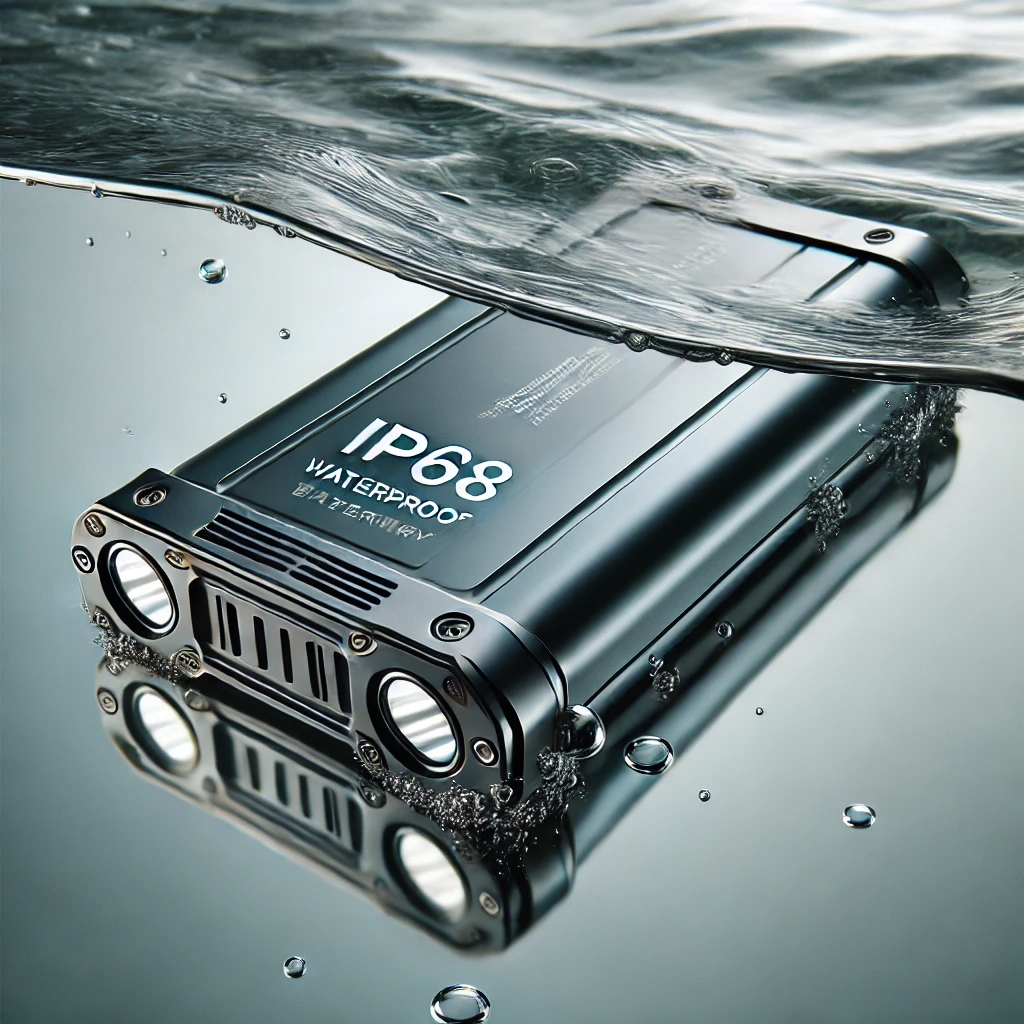
In today's tech-driven world, waterproofing has become a key feature in a wide range of devices, from smartphones to smartwatches. But one area where waterproofing is especially critical is in batteries, which power many of these devices. With waterproof batteries becoming more prevalent in the market, many consumers are asking: "Are waterproof batteries really waterproof?" Let's dive into the details and explore whether these batteries truly live up to their waterproof claims.
-
What Does Waterproof Mean for Batteries?
When we talk about waterproof batteries, we’re referring to batteries that are designed to withstand exposure to water without being damaged. These batteries are typically used in devices that are meant to be used in harsh, wet environments, such as outdoor gear, diving equipment, and even some medical devices. The term “waterproof” is not a catch-all; it is often defined by an industry standard called the IP rating (Ingress Protection rating). The IP rating system categorizes devices based on their resistance to dust and water, with higher ratings indicating better protection.
For instance, a battery with an IP68 rating is considered to be highly waterproof, meaning it can withstand submersion in water beyond 1 meter depth for extended periods, often up to 30 minutes or more. However, it’s important to understand that not all waterproof batteries are created equal.
-
The Real-World Test: How Waterproof Are Waterproof Batteries?
While waterproof batteries are often rated for immersion, real-world conditions might still present challenges. Many waterproof battery packs are tested under laboratory conditions, where they’re exposed to clean water at a controlled temperature. However, in real-world environments, factors like saltwater, high-pressure water, and the temperature of the water can compromise the effectiveness of the waterproof seal over time.
Saltwater, for example, is much more corrosive than freshwater. If a waterproof battery is exposed to saltwater, the corrosion risk increases significantly, potentially damaging the internal components of the battery. This is why most waterproof batteries are marketed for freshwater use and are often labeled with specific instructions to avoid prolonged exposure to saltwater.
-
Can a Waterproof Battery Be Fully Immune to Water Damage?
While waterproofing technology has advanced significantly in recent years, no battery is 100% impervious to water damage under all conditions. Over time, seals and coatings may wear down, and even small cracks or imperfections can allow water to seep inside. The key factor in determining whether a battery is “truly waterproof” lies in how well the device is sealed and its overall construction. Some manufacturers use advanced materials such as silicone and rubber seals to provide additional protection, while others rely on epoxy coatings to prevent water from reaching the sensitive components inside.
Additionally, devices that rely on waterproof batteries often include drainage systems to prevent water buildup, which can cause short circuits or internal damage. These systems, while effective, do not guarantee that the battery will remain perfectly waterproof forever.
-
What Are the Risks of Using Waterproof Batteries?
Using waterproof batteries in devices that are exposed to water regularly may seem like a perfect solution, but there are a few risks to consider. For one, the battery life of a waterproof battery may decrease over time, especially if the device is subjected to water frequently. Water exposure can cause the battery to degrade faster, and overcharging in a damp environment can lead to safety risks such as overheating.
Another important risk is the potential for misuse. Some users may assume that a waterproof battery can withstand all forms of water exposure, including long-term submersion or extreme conditions like high-pressure water. However, even with an IP68-rated battery, using it in conditions beyond the manufacturer’s recommendations can lead to damage.
-
Conclusion: Are Waterproof Batteries Really Waterproof?
In conclusion, while waterproof batteries are designed to be highly resistant to water damage, it’s important to understand their limitations. Devices equipped with waterproof batteries can generally handle exposure to water in everyday situations, such as splashes or brief submersions, but the effectiveness of the waterproof seal depends on factors like the quality of the construction and the type of water exposure.
Before purchasing a device with a waterproof battery, it’s essential to check the IP rating and follow the manufacturer's guidelines for water exposure. Waterproof batteries are undoubtedly a valuable feature for consumers who need reliable performance in wet environments, but they are not invincible. Understanding how to use them properly will ensure that you get the most out of your device without risking water damage.
----author: Valarie
The Top 10 Principles for Effective Talent Recruitment
Three Steps to Solve Battery Waste Utilization
Related Article

Home Energy Storage Systems are vital for modern households aiming for energy independence and savings.
Understanding Home Energy Storage Systems
Explore how high-discharge 48V LiFePO4 batteries boost AGV and logistics robot performance with longer runtime, faster charging, and superior reliability in industrial automation systems.
High Discharge Rate 48V LiFePO4 Batteries in AGV Robots and Logistics Automation
